Commercial Metal Door Solutions That Support Modern Commercial Infrastructure
A commercial metal door is a vital component in today’s commercial buildings where safety, durability, and regulatory compliance are non-negotiable. From office towers and retail complexes to factories and logistics hubs, metal doors are trusted for their ability to perform under constant pressure. These doors are not chosen for convenience alone; they are selected because they provide structural strength, security assurance, and operational reliability in demanding environments.
Commercial facilities experience high traffic, exposure to varying weather conditions, and strict inspection requirements. Metal doors are engineered to handle these challenges without compromising functionality or appearance. Their robust construction and adaptability make them a long-term solution for businesses seeking consistent performance and reduced operational risk.
Structural Strength That Outperforms Other Materials
Metal doors are favored in commercial construction because of their superior structural integrity. Unlike wood or composite materials, metal doors resist warping, cracking, and moisture damage. This resistance is particularly important in environments where doors are used frequently and exposed to temperature fluctuations or humidity.
The strength of steel and aluminum doors ensures that they remain aligned within their frames, preserving proper sealing and locking over time. This stability supports both security and energy efficiency. Businesses that install a professionally specified commercial metal door benefit from a dependable system that maintains performance even under continuous daily use.
Security as a Core Business Requirement
Security is a foundational concern for commercial properties, and metal doors provide a strong physical barrier against unauthorized access. Reinforced cores, heavy-duty frames, and compatibility with commercial-grade locking systems significantly increase resistance to forced entry. This level of protection is essential for facilities housing valuable assets, confidential information, or critical equipment.
Metal doors also support integration with advanced security technologies. Electronic locks, access control systems, and monitoring devices can be installed without compromising door strength. This flexibility allows businesses to upgrade security measures as threats evolve, ensuring long-term protection and peace of mind.
Fire Safety and Code Compliance
Fire-rated doors are mandatory in many commercial buildings, and metal doors are the most reliable option for meeting these requirements. Fire-rated metal doors are designed to withstand extreme heat for specific periods, helping to contain fire and smoke within designated areas. This containment is crucial for safe evacuation and limiting damage during emergencies.
Compliance with fire and building codes is a legal obligation. Metal doors are available in various certified ratings to suit stairwells, corridors, and separation walls. Proper selection, installation, and maintenance ensure that these doors retain their rating and continue to meet regulatory standards throughout their service life.
Applications Across Commercial Sectors
The versatility of metal doors allows them to serve a wide range of commercial industries. Office buildings rely on them for entrances, exits, and restricted-access areas. Retail spaces use metal doors to secure storage areas and service entrances while maintaining a professional appearance.
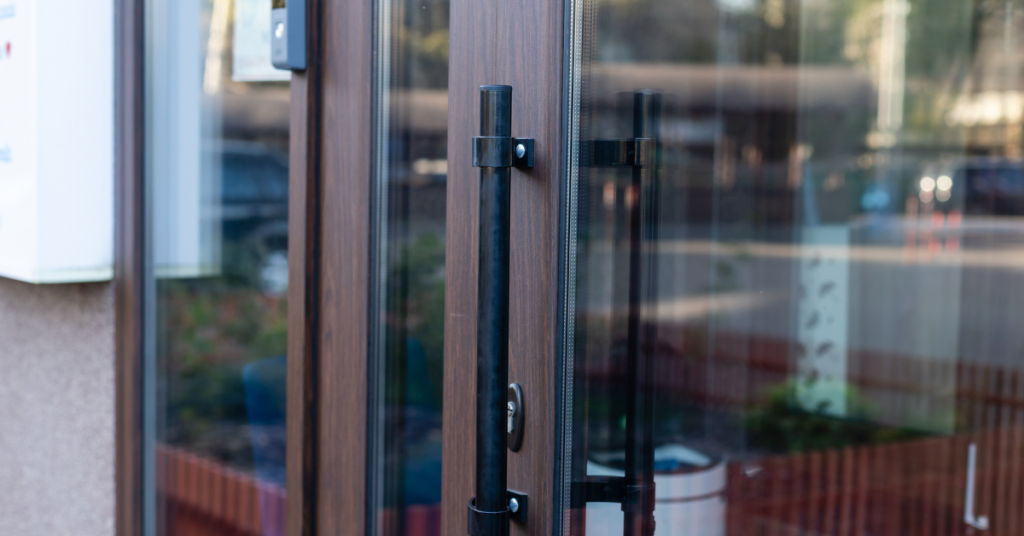
Industrial and manufacturing facilities depend on metal doors for warehouses, loading docks, and mechanical rooms where durability is critical. Healthcare and educational institutions also favor metal doors due to their hygiene compatibility, sound control options, and safety features. This broad applicability demonstrates the adaptability of metal doors across diverse commercial settings.
Energy Efficiency and Climate Control
Modern commercial buildings prioritize energy efficiency, and metal doors contribute significantly to this goal. Insulated metal doors reduce heat transfer, helping maintain consistent indoor temperatures. This insulation lowers heating and cooling demands, resulting in reduced energy consumption and operational costs.
Properly sealed metal doors also minimize air leakage, improving overall building performance. In large commercial facilities, even small improvements in insulation can lead to substantial long-term savings. Energy-efficient door systems support both cost control and sustainability objectives.
Design Flexibility and Customization
Commercial metal doors offer extensive customization options to meet both functional and aesthetic requirements. Businesses can choose from various finishes, colors, and textures to align with branding or architectural design. Vision panels, louvers, and specialized hardware allow doors to meet visibility, ventilation, or access needs.
Customization also extends to performance features. Doors can be engineered for enhanced sound insulation, corrosion resistance, or impact protection depending on the environment. These options ensure that each door system is tailored to its specific application without compromising durability or compliance.
Importance of Proper Installation
The performance of a metal door depends heavily on correct installation. Even high-quality doors can fail to perform as intended if they are not installed accurately. Proper alignment, secure anchoring, and precise hardware installation are essential for smooth operation and maintaining fire and security ratings.
Professional installers understand building codes and manufacturer specifications, ensuring that doors are installed to meet all requirements. Quality installation protects the investment and reduces the likelihood of premature wear, air leaks, or compliance issues.
Maintenance Practices That Preserve Performance
Metal doors are relatively low maintenance, but routine care is still necessary to ensure long-term performance. Regular cleaning prevents dirt and corrosive substances from damaging finishes. Inspections of hinges, locks, and closers help identify minor issues before they escalate into costly repairs.
Weatherstripping and seals should be checked periodically to maintain energy efficiency and prevent moisture intrusion. Prompt attention to dents, rust spots, or alignment issues ensures that doors continue to operate smoothly and remain compliant with safety standards.
Selecting a Reliable Commercial Door Partner
Choosing the right service provider is critical when installing or upgrading metal door systems. Experienced professionals assess building requirements, recommend suitable specifications, and ensure compliance with all relevant regulations. Their expertise helps businesses avoid costly mistakes that can compromise performance or safety.
A reliable partner also provides ongoing support, including inspections, repairs, and system upgrades. Businesses that work with specialists offering commercial metal door solutions gain consistent service and expert guidance throughout the life of their door systems.
Cost Efficiency and Long-Term Value
Although metal doors may involve higher upfront costs compared to some alternatives, their long-term value is substantial. Durability reduces replacement frequency, while minimal maintenance requirements lower ongoing expenses. Energy-efficient designs further contribute to reduced operational costs over time.
When evaluating door systems, businesses should consider total cost of ownership rather than initial price alone. High-quality materials, professional installation, and routine maintenance combine to deliver superior value and predictable budgeting.
Influence on Professional Image and Operations
The appearance and condition of a commercial facility influence how clients and partners perceive a business. Well-maintained metal doors convey professionalism, security, and attention to detail. This positive impression supports brand credibility and trust.
Operationally, reliable door systems reduce disruptions caused by malfunctions or security incidents. Employees benefit from safer, more secure workplaces, which can improve morale and productivity. Metal doors support efficient operations while reinforcing a professional image.
Advancements in Commercial Metal Door Technology
Innovation continues to enhance the performance of commercial metal doors. Advances in materials science are producing doors that are lighter yet stronger, with improved insulation and corrosion resistance. Smart access technologies are also becoming more common, allowing for better monitoring and control.
Sustainability-driven manufacturing and improved protective coatings are shaping future developments. These advancements ensure that metal doors remain a forward-looking solution for commercial buildings seeking durability, compliance, and efficiency.
Making a Strategic Door Investment
Selecting the right door system requires careful consideration of security, compliance, and operational needs. Metal doors offer a proven solution that balances strength, adaptability, and long-term performance. By understanding available options and working with experienced professionals, businesses can make informed decisions.
For commercial properties focused on safety, durability, and regulatory compliance, investing in a high-quality metal door system is a strategic step toward protecting assets and supporting long-term operational success.