Shoe Rack Selection for Clean, Functional, and Organized Spaces
A Shoe Rack is an essential storage solution that supports cleanliness, organization, and space efficiency in both residential and professional environments. Shoes left scattered at entrances or corridors create clutter and disrupt interior harmony. A well-designed shoe rack resolves this issue by offering structured storage while maintaining accessibility and visual order. As modern spaces prioritize functionality and aesthetics, shoe racks have evolved into versatile furniture pieces that complement interior design.
In homes and offices alike, managing footwear efficiently contributes to hygiene and convenience. A thoughtfully selected shoe rack prevents damage to shoes, reduces dust accumulation, and enhances daily routines. With a wide range of designs, sizes, and materials available, choosing the right rack requires understanding usage needs and space constraints.
The Importance of Organized Footwear Storage
Organized footwear storage plays a significant role in maintaining a clean and welcoming environment. Shoes often carry dirt and moisture, and improper storage can lead to unpleasant odors and clutter. A shoe rack keeps footwear elevated and neatly arranged, promoting better hygiene and airflow.
In professional settings, organized entrances reflect discipline and professionalism. In homes, shoe racks simplify daily routines by ensuring shoes are easy to find and store. This organizational benefit improves time management and contributes to a more structured living or working space.
How Shoe Racks Improve Daily Efficiency
Efficiency begins with accessibility. A shoe rack allows users to quickly locate and store shoes without searching through piles. This saves time during busy mornings and reduces frustration. Organized storage also minimizes wear and tear, as shoes are not stacked or crushed.
For families or shared offices, shoe racks help manage multiple pairs efficiently. Clear organization prevents mix-ups and maintains order, making them an indispensable addition to high-traffic areas.
Types of Shoe Racks and Their Applications
Shoe racks come in various designs to suit different environments and storage needs. Open racks provide easy access and ventilation, making them ideal for daily-use footwear. Closed cabinets offer a cleaner look and protect shoes from dust, suitable for formal spaces.
Vertical shoe racks maximize storage in compact areas, while horizontal units work well in spacious entryways. Wall-mounted racks save floor space and add a modern touch. Understanding these types helps users select a rack that aligns with space availability and aesthetic preferences.
Common Shoe Rack Styles
- Open shelf shoe racks for quick access
- Closed shoe cabinets for concealed storage
- Vertical racks for small spaces
- Wall-mounted designs for modern interiors
- Bench-style racks combining seating and storage
These styles address diverse storage challenges across homes and offices.
Material Choices and Structural Durability
Material selection directly impacts the durability and appearance of a shoe rack. Common materials include engineered wood, solid wood, metal, and plastic. Each offers distinct advantages depending on usage frequency and environmental conditions.
Wooden racks provide warmth and aesthetic appeal, making them suitable for homes. Metal racks offer high durability and moisture resistance, ideal for offices or high-traffic areas. Plastic racks are lightweight and budget-friendly, often used for temporary or flexible storage needs.
Comparison of Shoe Rack Materials
| Material Type | Durability | Aesthetic Appeal | Maintenance |
| Engineered Wood | Medium | High | Easy |
| Solid Wood | High | Very High | Moderate |
| Metal | Very High | Modern | Easy |
| Plastic | Medium | Basic | Very Easy |
This comparison helps users align material choice with functional and design requirements.
Space Optimization and Interior Planning
Shoe racks play a crucial role in optimizing space, especially in compact interiors. Entryways and corridors often have limited room, making efficient storage essential. Vertical and wall-mounted racks utilize unused space, keeping floors clear and improving movement flow.
In offices, shoe racks placed near entrances help maintain cleanliness throughout the workspace. At home, strategic placement ensures convenience without disrupting interior layout. Proper space planning ensures that shoe racks enhance functionality rather than overcrowding the area.
Design Aesthetics and Visual Harmony
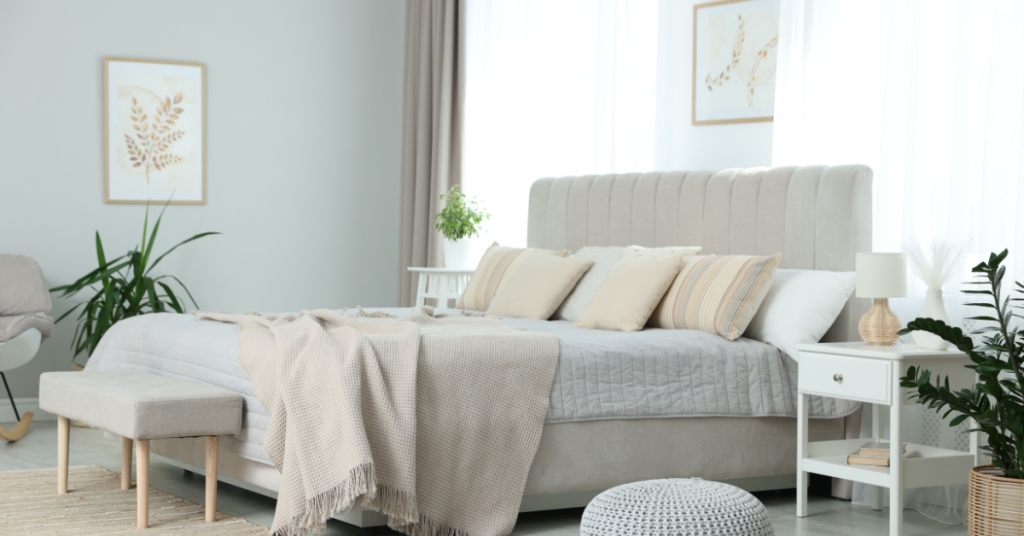
Modern shoe racks are designed to complement interior décor rather than stand out as utilitarian objects. Minimalist designs with neutral colors blend seamlessly into contemporary spaces. Traditional designs emphasize warmth and craftsmanship, often featuring wooden finishes.
In professional environments, sleek and understated shoe racks maintain a polished appearance. In homes, design choices reflect personal style while supporting organization. Selecting a rack that aligns with interior aesthetics ensures visual harmony and enhances overall ambiance.
Capacity and Storage Configuration
Storage capacity is a key consideration when selecting a shoe rack. Households with multiple members require racks that accommodate numerous pairs without overcrowding. Adjustable shelves offer flexibility for different shoe sizes and types, from formal footwear to boots.
In offices, moderate-capacity racks manage employee or visitor footwear efficiently. Clear configuration ensures shoes are stored neatly, preventing damage and maintaining order. Assessing capacity needs helps avoid underutilization or clutter.
Factors Influencing Storage Capacity
- Number of users
- Types of footwear stored
- Available space
- Frequency of use
Evaluating these factors ensures the shoe rack meets practical requirements.
Hygiene and Ventilation Benefits
Proper ventilation is essential for maintaining footwear hygiene. Shoe racks with open designs or ventilation slots allow air circulation, reducing moisture buildup and odor. This is particularly important in humid environments where shoes are prone to dampness.
Elevated storage prevents direct contact with floors, reducing exposure to dirt and moisture. These hygiene benefits make shoe racks an important component of healthy living and working spaces.
Shoe Racks in Office Environments
In offices, shoe racks contribute to cleanliness and professionalism. They are especially useful in workplaces where footwear is changed or removed, such as healthcare facilities or certain corporate cultures. Organized shoe storage prevents clutter and maintains a tidy entrance.
Durable materials and simple designs are preferred in offices for ease of maintenance. A well-placed shoe rack supports operational efficiency and reinforces organizational standards.
Shoe Racks for Home Use
At home, shoe racks support daily routines and family organization. They help manage footwear for different occasions, from casual to formal. Shoe racks placed near entrances encourage consistent storage habits, reducing clutter throughout the home.
Home shoe racks often combine functionality with design, serving as decorative elements. Bench-style racks add seating convenience, while closed cabinets maintain a clean appearance. These features enhance both usability and comfort.
Long-Term Value and Cost Efficiency
Investing in a quality shoe rack delivers long-term value by reducing shoe damage and maintaining organization. Durable construction minimizes replacement needs, while proper storage extends footwear lifespan. Over time, this results in cost savings and improved convenience.
Evaluating quality, material, and design ensures the shoe rack remains functional and visually appealing for years. Long-term value extends beyond price, encompassing durability and daily usability.
Trusted Sources for Quality Shoe Racks
Access to reliable collections simplifies the selection process. A curated category allows users to explore designs tailored to different spaces and needs. One dependable option for organized footwear storage is the Shoe Rack collection, offering solutions designed for durability, efficiency, and modern interiors.
Choosing from a focused range ensures access to well-crafted racks suited for both home and office environments.
Maintenance and Care Practices
Maintaining a shoe rack is straightforward and essential for longevity. Regular cleaning prevents dust buildup, while wiping surfaces protects finishes. Wooden racks benefit from occasional polishing, while metal racks require minimal care.
Avoiding excessive moisture exposure preserves material integrity. Proper maintenance ensures the shoe rack continues to perform effectively and maintain its appearance over time.
Emerging Trends in Shoe Rack Design
Shoe rack design is evolving with a focus on modularity and sustainability. Modular racks allow users to expand storage as needed, adapting to changing requirements. Eco-friendly materials and minimalist designs are gaining popularity as sustainability becomes a priority.
Smart storage solutions that combine seating, shelving, and concealment reflect modern lifestyle needs. These trends ensure shoe racks remain relevant and functional in contemporary interiors.
Final Perspective on Shoe Rack Selection
A shoe rack is more than a storage accessory; it is a functional solution that supports organization, hygiene, and interior harmony. By considering material quality, capacity, design, and placement, users can select a rack that meets both practical and aesthetic needs. A well-chosen shoe rack enhances daily routines, maintains cleanliness, and contributes to a well-organized and welcoming space.